
Reddit Tor Browser: Accessing the Dark Web
This guide is for small business owners and individuals seeking safe access to Reddit on the dark web.
$ dark web- Reddit Tor Browser: Accessing the Dark Web
- Understanding the Dark Web and Tor Browser
- Why Small Businesses Might Consider the Dark Web (Safely)
- Setting Up Tor Browser for Secure Access
- Navigating the Dark Web with Reddit Insights
- Best Practices for Anonymity and Security on the Dark Web
- Common Misconceptions and Legalities of Tor Browser Use
- Troubleshooting and Advanced Tor Browser Tips
- Common Misconceptions and Mistakes
- Conclusions
- Where this comes from
Tor Browser is a privacy-focused web browser that routes traffic through the Tor network, hiding the user's real IP address and protecting against tracking, surveillance, and censorship[1]. It is based on Mozilla Firefox ESR but includes modifications for enhanced privacy and security[1]. Using any other browser with Tor carries serious risks of deanonymization[1].
Reddit Tor Browser: Accessing the Dark Web
| Aspect | Details | Risks | Legitimate Uses |
|---|---|---|---|
| Tor Browser | Privacy-focused, routes traffic through Tor network | Not using official browser risks deanonymization [1] | Used by journalists for secure communication [2] |
| Legal Status | Running a Tor relay is legal in the U.S. | Engaging in illegal activities can lead to prosecution [3] | Accessing the dark web is legal [4] |
| Anonymity | Enhances privacy but not absolute anonymity | Law enforcement uses techniques to unmask users [3][5] | Many .onion sites are safe and informative [2] |
| Safety Checklist | Use official Tor Browser, avoid sharing personal info | Ignoring updates can expose vulnerabilities | Communities on Reddit can provide guidance for safe practices |
Understanding the Dark Web and Tor Browser
The internet is divided into three main layers: surface web, deep web, and dark web. The surface web is what most users access daily, consisting of websites indexed by search engines. The deep web includes content not indexed by traditional search engines, such as databases and private corporate sites. The dark web is a small portion of the deep web, accessible only through specific software like Tor Browser and known for both legitimate and illicit activities[2].
Tor Browser is a privacy-focused web browser designed to navigate the dark web. It routes internet traffic through the Tor network, which consists of various volunteer-operated servers, enhancing user anonymity. By doing so, it hides the user's real IP address, making it difficult to track their online activities[1]. Tor Browser is based on Mozilla Firefox ESR but includes modifications to improve security and privacy[1]. Users should only utilize Tor Browser for accessing the Tor network to avoid risks of deanonymization associated with other browsers[1].
Anonymity on the Tor network is substantial but not absolute. While it encrypts user data and masks IP addresses, vulnerabilities exist. Law enforcement agencies have successfully identified Tor users involved in illegal activities using advanced techniques and malware[3][5]. This means that while Tor enhances privacy, users must remain cautious about the information they share and the sites they visit. Engaging in risky behavior can lead to exposure, even on a seemingly secure platform.
For those considering utilizing Tor for legitimate purposes, understanding its structure and limitations is essential. Users should prioritize their security by following best practices, such as not sharing personal information and recognizing the legal implications of their online actions.
Why Small Businesses Might Consider the Dark Web (Safely)
The dark web can offer small businesses unique opportunities. These include competitive intelligence, security research, and secure communication. However, it is essential to navigate this space ethically and legally.
Competitive Intelligence
Small businesses can leverage the dark web for insights into competitors. Forums and marketplaces may reveal trends, pricing strategies, or consumer preferences. For example, businesses can monitor discussions about their products or services on dark web forums. This data can inform marketing strategies and product development.
Security Research
The dark web is a hub for discussions on cybersecurity threats. Small businesses can access information about new vulnerabilities and malware. Understanding these threats can help businesses enhance their security measures. For instance, security researchers often share findings on newly discovered exploits or attack methods. Staying informed can help businesses protect their assets.
Secure Communication
Using the dark web can enhance communication privacy. Businesses may require secure channels for sensitive discussions, especially during negotiations or when discussing proprietary information. Dark web tools, such as encrypted messaging services, can facilitate this. These tools help ensure that conversations remain confidential and protected from surveillance.
Ethical Boundaries
While the dark web presents opportunities, ethical considerations are crucial. Small businesses must avoid engaging in illegal activities, such as purchasing stolen data or participating in illicit forums. The legal landscape is complex; accessing the dark web is legal, but illegal actions can lead to severe consequences[4].
Examples of Information Accessible
Market Trends: Insights into competitor pricing and product launches.
Cybersecurity Threats: Information on newly discovered vulnerabilities and malware.
Encrypted Communication: Tools for secure messaging and file sharing.
By focusing on legitimate use cases, small businesses can harness the dark web's potential while adhering to ethical standards. Understanding the risks and legal implications is essential for safe navigation.
Setting Up Tor Browser for Secure Access
Downloading and installing Tor Browser is straightforward. Follow these steps to ensure secure access to the dark web:
Download Tor Browser:
Visit the official Tor Project website: torproject.org.
Select the version compatible with your operating system (Windows, macOS, Linux).
Install Tor Browser:
Locate the downloaded file and run the installer.
Follow the prompts to complete the installation.
Initial Configuration:
Open Tor Browser after installation.
You will see a connection screen. Click ‘Connect’ to access the Tor network.
For enhanced security, consider adjusting the security settings. Click the shield icon next to the URL bar, and select ‘Advanced Security Settings’. Here, you can set your desired security level, which ranges from Standard to Safest.
Basic Configuration Tips
Use Bridges: If you are in a region where Tor is blocked, bridges can help. Bridges are private Tor relays that allow users to connect to the Tor network without detection. To use bridges:
In the Tor Browser, go to Settings > Tor > Bridges.
You can request bridges from the Tor Project’s website or use built-in bridge options.
Avoid Plugins and Add-ons: Do not install any plugins or add-ons. They can compromise your anonymity and security[1].
Disable JavaScript: For maximum security, consider disabling JavaScript. This can be done in the security settings under the shield icon. Be aware that some websites may not function properly without it.
Regular Updates: Keep the Tor Browser updated. The Tor Project frequently releases updates to enhance security and address vulnerabilities.
Legal Considerations
Using Tor is legal in most jurisdictions, including the U.S.[4]. However, engaging in illegal activities while using Tor can lead to serious legal consequences. Activities such as accessing illicit content or participating in illegal transactions can result in prosecution[3][5]. Always ensure that your activities align with local laws.
By following these steps and tips, users can set up Tor Browser effectively for secure access to the dark web while minimizing risks.
Reddit communities are valuable resources for discovering legitimate .onion sites and information about the dark web. Subreddits like r/onions and r/Tor provide user-generated content, recommendations, and discussions that can guide users to safe and legal resources.
Finding Legitimate .onion Sites
Join Relevant Subreddits:
Subscribe to r/onions and r/Tor to access discussions about .onion sites.
Engage with posts that share new and verified sites.
Use Search Functions:
Utilize Reddit's search feature to look for specific topics or sites.
Keywords like 'marketplace', 'forum', or 'resource' can yield useful results.
Check for Upvotes and Comments:
Posts with high upvotes often indicate trustworthy recommendations.
Read comments for user experiences and warnings about scams.
Verifying Information from Reddit
Reddit is a crowdsourced platform, meaning that not all information is accurate. Verifying details before acting on them is crucial:
Cross-Reference Sources: Look for additional sources outside Reddit to confirm the legitimacy of a site or service.
Check User Profiles: Users with a history of quality posts may provide more reliable information.
Be Cautious of New Accounts: New profiles with limited activity could be spreading misinformation or scams.
Searching for Specific Topics
To efficiently search for specific topics on Reddit, consider these strategies:
Use Advanced Search Techniques:
Combine keywords with phrases like ‘site:reddit.com’ to filter results.
Use quotation marks for exact phrases, e.g., ‘best onion sites’.
Participate in Discussions:
Ask questions in relevant threads. Engaging with the community can yield personalized advice.
Be specific about what you seek to get better responses.
Monitor Trends:
Keep an eye on recurring themes or frequently mentioned sites. This can indicate reputable resources.
Navigating the dark web via Reddit can be effective if done cautiously. Always prioritize safety and legality. Understanding how to filter and verify information will enhance your experience and help you avoid potential pitfalls.
Best Practices for Anonymity and Security on the Dark Web
Maintaining anonymity and security on the dark web is essential. Here are key practices to follow.
Essential Security Measures
Disable Scripts: By default, Tor Browser disables scripts to enhance security. This prevents potential vulnerabilities from being exploited. Users can further tighten security by adjusting settings to block all scripts.
Use a VPN: Before connecting to Tor, consider using a VPN. This adds an extra layer of encryption, masking your IP address from your internet service provider (ISP) and any potential surveillance. A VPN also helps in avoiding traffic analysis by concealing Tor usage.
Avoid Personal Information: Never share personal details on the dark web. This includes real names, addresses, or any identifying information. Anonymity is compromised when personal data is shared.
Understand Cookies: Tor Browser does not retain browsing history, and cookies are only valid for a single session[1]. Ensure that you do not log into accounts that can be traced back to your identity.
Common Threats and Mitigation Strategies
Malware and Phishing: The dark web hosts numerous malicious sites. Be cautious of links and downloads. Use antivirus software and avoid clicking on suspicious links.
Deanonymization Risks: Law enforcement has employed Network Investigative Techniques (NITs) to unmask users. Activities on the dark web can lead to exposure, especially if engaging in illegal actions[3][5]. Always assess the legality of your actions and avoid risky behavior.
Exit Node Vulnerabilities: Traffic exiting the Tor network can be monitored. Use HTTPS websites to encrypt data beyond the Tor network. This adds an additional layer of security against eavesdropping.
Legal Considerations
Accessing the dark web is generally legal, but engaging in illegal activities is not[4]. Understand the laws in your jurisdiction regarding online behavior. For instance, while using Tor is legal, accessing illicit content can lead to prosecution[3][5].
Engaging in ethical practices is crucial. Always adhere to local laws and avoid participating in illegal transactions or forums. This ensures a safer experience while navigating the dark web.
By implementing these best practices, users can significantly enhance their anonymity and security while exploring the dark web.
Common Misconceptions and Legalities of Tor Browser Use
Many misconceptions surround the use of the Tor Browser and the dark web. A common fear is that using Tor is inherently illegal. This is not true. Tor itself is a privacy-focused browser designed to protect user anonymity online[1]. It routes traffic through a network, concealing the real IP address and enabling users to browse without being tracked[1].
However, while using Tor is legal in most regions, including the United States, engaging in illegal activities while using Tor can lead to serious legal consequences. Activities like accessing child pornography or engaging in illegal drug sales are illegal regardless of the platform[3][5]. Law enforcement agencies, such as the FBI, have successfully used techniques to identify Tor users involved in illegal activities[3].
Legal Use of Tor
In the U.S., running a Tor relay is considered legal[4]. This includes both entry relays and exit relays. The Electronic Frontier Foundation (EFF) states that Tor operators are protected under Section 230 of the federal law, which provides legal immunity for online intermediaries[4].
Tor was initially developed by a U.S. government entity, highlighting its intended purpose for privacy and security[6]. However, this does not exempt users from legal scrutiny. Engaging in illicit activities while using Tor can lead to prosecution.
Common Myths About the Dark Web
All Dark Web Activities Are Illegal: While the dark web is known for illegal activities, it also serves legitimate purposes. For example, journalists and activists use it to communicate securely in oppressive regimes[2].
Using Tor Guarantees Complete Anonymity: Tor enhances privacy but does not guarantee absolute anonymity. Users can still be exposed through poor practices, such as logging into personal accounts or downloading unsafe files[7].
You Cannot Get Caught on the Dark Web: Law enforcement agencies actively monitor illegal activities on the dark web. Techniques such as malware deployment have been used to identify users[5].
All .onion Sites Are Dangerous: Not all .onion websites are malicious. Many host forums and content focused on privacy, security, and free speech[2].
Conclusion
Understanding the legalities and misconceptions about Tor is crucial for safe navigation. Users must adhere to local laws and avoid illegal activities to ensure a secure experience. Awareness of the risks and legal implications will help users make informed decisions while exploring the dark web.
Troubleshooting and Advanced Tor Browser Tips
Using Tor Browser can sometimes lead to issues that affect your browsing experience. Here are common problems users face, along with tips for optimizing performance and enhancing privacy.
Common Issues
Slow Speeds: Tor can be slower than regular browsers due to multiple layers of encryption and routing through various nodes. Speeds can also vary based on the number of users on the network. During peak times, connections may become particularly sluggish.
Connection Problems: Sometimes, users may struggle to connect to the Tor network. This can be caused by network restrictions or firewall settings blocking Tor traffic. A common solution is to use bridges, which can bypass these restrictions.
Accessing Certain Sites: Some .onion sites may be down or under maintenance. If you cannot access a specific site, check its status through community forums or Reddit.
Tips for Optimizing Performance
Use a VPN: Prior to connecting to Tor, using a VPN can help enhance privacy and sometimes improve connection speeds. This adds an additional layer of encryption and masks your IP address from your ISP.
Adjust Security Settings: In the Tor Browser, you can modify the security level. Click the shield icon next to the URL bar and select ‘Advanced Security Settings’. Setting it to ‘Safest’ can help protect against potential threats, although some sites may not function properly.
Close Unused Tabs: Having multiple tabs open can slow down performance. Close any unnecessary tabs to improve your browsing speed.
Advanced Settings for Privacy-Conscious Users
Disable JavaScript: For maximum security, consider disabling JavaScript. This can be done in the security settings. Note that some websites may not function correctly without it.
Modify Privacy Settings: Go to the Tor Browser settings and adjust privacy settings to enhance anonymity. For example, you can disable third-party cookies and trackers.
Regularly Clear Data: While Tor does not keep browsing history by default, regularly clearing cookies and cache can further enhance privacy. Use the ‘New Identity’ feature in the Tor Browser to refresh your session.
Be Cautious with Add-ons: Only use extensions that are specifically designed for Tor. Using regular browser add-ons can expose you to risks of deanonymization[1].
Conclusion
By understanding common issues and utilizing advanced settings, users can improve their experience with Tor Browser. Maintaining a focus on privacy and security is essential, especially when navigating the dark web. Always stay informed about potential risks and employ best practices to protect your anonymity while online.
Common Misconceptions and Mistakes
Many individuals approach the dark web with misunderstandings. These can compromise security or lead to missed opportunities for legitimate use. We address common errors and clarify correct practices.
Using Regular Browsers with Tor
Many users mistakenly believe they can use their standard web browser, like Chrome or Firefox, to access the Tor network. They might configure proxy settings to route traffic through Tor. This is a critical mistake because standard browsers lack the necessary privacy enhancements[1]. Using them risks deanonymization and information leakage[1]. Always use the official Tor Browser, which is specifically designed for the Tor network and includes essential modifications for privacy and security[1],[1].
Believing Tor Guarantees Absolute Anonymity
Some users think Tor provides complete, impenetrable anonymity. They might engage in risky behaviors, assuming full protection. While Tor significantly enhances privacy by routing traffic through multiple relays, it is not infallible[1]. Law enforcement agencies have developed techniques, such as Network Investigative Techniques (NITs) and malware, to unmask Tor users, particularly in cases of illegal activity[3],[5]. Anonymity depends on user behavior; avoid sharing personal information or engaging in activities that could link to your real identity.
Ignoring Software Updates
Users sometimes neglect to update their Tor Browser, thinking older versions are sufficient. Outdated software can contain known vulnerabilities. The Tor Project regularly releases updates to address security flaws and improve performance. Failing to update leaves users exposed to potential exploits. Always keep your Tor Browser updated to benefit from the latest security patches and features.
Assuming All Dark Web Content is Illegal
A common misconception is that the entire dark web is dedicated to illegal activities. This belief can deter legitimate users from exploring its benefits. While criminal elements exist, the dark web also hosts legitimate content, including secure communication platforms, forums for whistleblowers, and privacy-focused services[2],[7]. Small business owners might find valuable, secure resources or communities there. Focus on reputable .onion sites and verify their legitimacy before engagement.
Sharing Personal Information
Some users inadvertently share personal details, such as email addresses or real names, on dark web forums or services. They might do this out of habit or a lack of understanding of the risks. Revealing personal information can compromise anonymity and expose users to targeted attacks or surveillance. Maintain strict anonymity by never using your real name, email, or any other identifying data. Use pseudonyms and dedicated accounts for dark web interactions.
Neglecting Legal Nuances
Users often misunderstand the legal landscape of the dark web, assuming either total legality or complete illegality. This can lead to either reckless behavior or unnecessary fear. Accessing the dark web is legal in most jurisdictions, including the U.S.[4]. However, engaging in illegal activities while using Tor, such as purchasing illicit goods or distributing prohibited content, carries severe legal consequences[3],[5]. Understand that while the tool is legal, actions performed with it may not be.
Conclusions
Using Tor Browser for dark web access requires careful attention to security and legal boundaries. We advise users to prioritize privacy and understand the tool's limitations.
Always use the official Tor Browser for dark web access[1],[1].
Update your Tor Browser regularly to benefit from the latest security patches.
Never share personal information or use your real identity on the dark web.
Understand that Tor enhances privacy but does not guarantee absolute anonymity[1].
Be aware of legal implications; accessing the dark web is legal, but illegal activities are not[4].
For further guidance, explore our comprehensive guide on Understanding the Deep Web and Dark Web.
Where this comes from
- 1. About Tor Browser - Getting started - Tor Browser — Tor
- 2. What is the Dark Web? | IBM
- 3. The FBI Used the Web's Favorite Hacking Tool to Unmask Tor Users | WIRED
- 4. Tor Project | The Legal FAQ for Tor Relay Operators
- 5. Feds Are Suspects in New Malware That Attacks Tor Anonymity | WIRED
- 6. United States v. Perdue, District Court, N.D. Texas, 2017
- 7. dark web | Wex | US Law | LII / Legal Information Institute
Explore More on Dark Web Safety
Discover additional resources and insights on navigating the dark web.
Visit Our ResourcesExplore more
Finding the Best Sites in Dark Web
Discover the best sites in the dark web for safe browsing and valuable resources. Learn how to navigate effectively and securely.
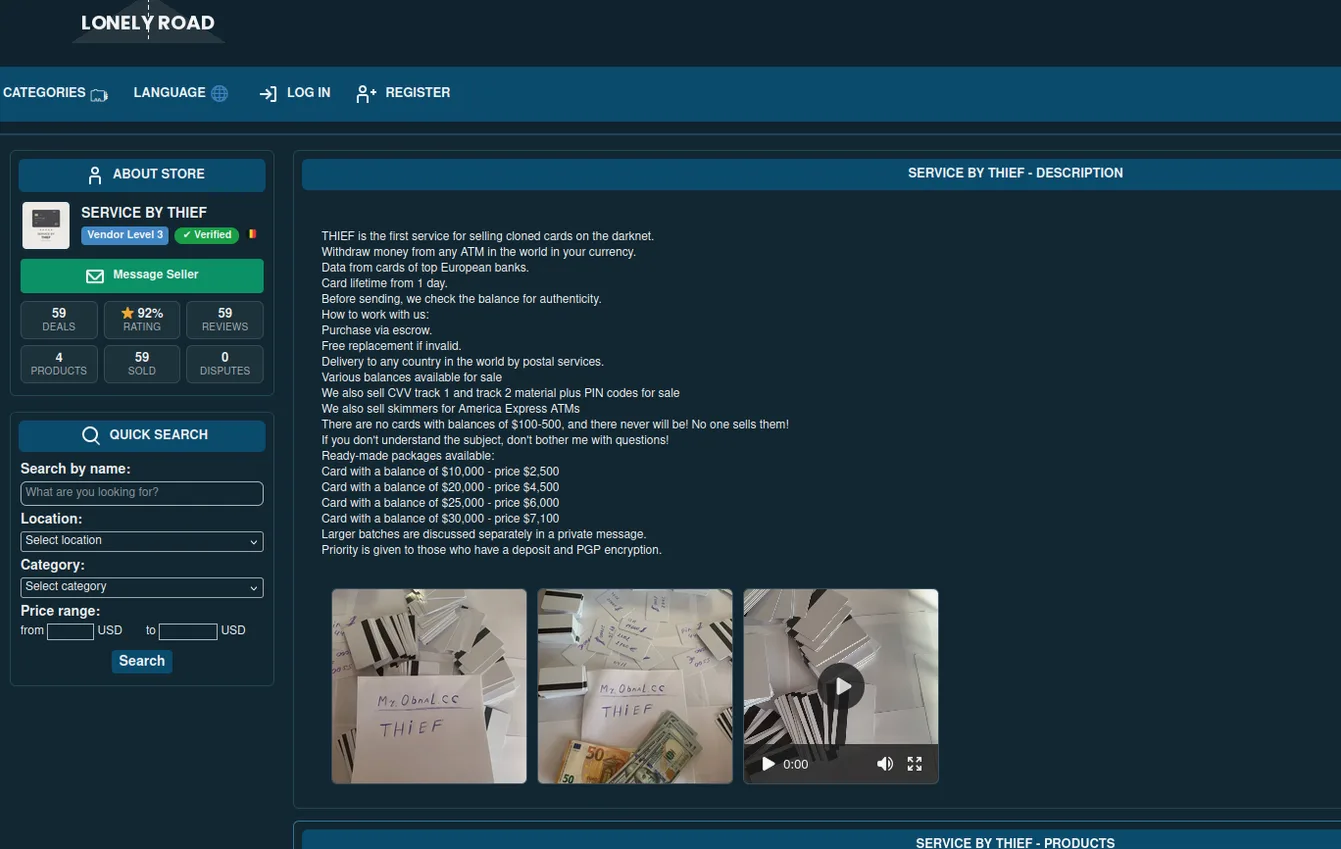
How a Quick ATM Scheme Exposed the Flaws in Criminal Planning
Learn how a dark web carding scheme was busted, tracing digital footprints to physical evidence. Understand ATM surveillance and why crypto…
Navigating Links Tor Onion: A Beginner's Guide
Discover essential links for navigating the Tor Onion network safely and effectively. Learn how to access hidden resources with confidence.
Exploring the Tor Project Website: A Resource
Discover the Tor Project website for enhanced online privacy and security. Learn how to navigate its resources effectively.