
Accessing the Deep Dark Web: What You Should Know
This guide is for small business owners and IT managers seeking practical insights on deep dark web access.
$ dark web- Small Business Deep/Dark Web Access Checklist
- Understanding the Deep Web vs. Dark Web for Small Businesses
- Why Small Businesses Might Need to Access the Deep/Dark Web
- Essential Tools and Software for Safe Access
- Step-by-Step Guide: Accessing the Dark Web Safely
- Mitigating Risks: Security and Privacy Best Practices
- Legal and Ethical Considerations for Small Businesses
- Common Misconceptions and How They Affect Small Businesses
- Common Misconceptions and Mistakes
- Key Takeaways
- Where this comes from
Accessing the deep web involves using standard browsers for content not indexed by search engines, like company databases or streaming servers[1]. The dark web, a small segment of the deep web (less than 1% of internet content), requires specialized software like Tor Browser for access [2, 3].
Deep Web: Accessible via regular browsers.
Dark Web: Requires Tor Browser.
Safety: Download Tor from the official Tor Project website[2].
Small Business Deep/Dark Web Access Checklist
| Step | Action | Details | Notes |
|---|---|---|---|
| 1 | Download Tor Browser | From the official Tor Project website | Ensure authenticity [2] |
| 2 | Install antivirus software | Active during dark web access | Detects malware threats [3] |
| 3 | Avoid personal accounts | Do not log into social media or email | Protects anonymity [3] |
| 4 | Monitor dark web | For threats to digital assets | Use intelligence services [4, 5] |
| 5 | Do not buy anything | Risks of scams and honeypots | High risk [3] |
| 6 | Avoid downloads | Difficult to verify file legitimacy | Many threats exist [3] |
Understanding the Deep Web vs. Dark Web for Small Businesses
The deep web and dark web are often confused, but they serve different purposes. Understanding these differences is essential for small businesses seeking to leverage online data safely.
Deep Web
The deep web comprises about 90% of the entire internet. It includes content that standard search engines do not index. Examples relevant to businesses include:
Company databases: Access to proprietary information.
Online banking portals: Secure access to financial accounts.
Subscription databases: Market research reports and industry analysis.
These resources can provide valuable insights, but they remain hidden from casual web browsing[1].
Dark Web
The dark web is a small segment of the deep web, constituting less than 1% of internet content. It contains sites that require special software, such as Tor Browser, to access. It is characterized by its anonymity and often illicit content [2, 3].
For small businesses, the dark web can be useful for:
Threat intelligence: Monitoring for potential cyberattacks and data breaches [4, 5].
Brand monitoring: Keeping track of compromised credentials or unauthorized use of company assets.
However, caution is essential. Accessing the dark web poses significant risks. Activities such as logging into personal accounts or purchasing items can lead to security breaches [9, 10].
Key Differences
| Aspect | Deep Web | Dark Web |
|---|---|---|
| Accessibility | Regular browsers | Requires Tor Browser |
| Content Type | Legitimate resources (e.g., databases) | Often illegal or risky content |
| Safety Risks | Generally low with secure sites | High due to scams and malware |
Understanding these distinctions can help small businesses navigate their online presence more effectively. For further insights into the deep web, consider exploring Understanding the Deep Web and Dark Web.
Why Small Businesses Might Need to Access the Deep/Dark Web
Small businesses can benefit from accessing the deep and dark web for several legitimate reasons. These include competitive intelligence, brand monitoring, cybersecurity threat intelligence, and intellectual property protection.
Competitive Intelligence
Monitoring competitors' activities can provide insights into their strategies and market positioning. By accessing information on the dark web, businesses can uncover discussions about competitors that may not be available through standard channels. This is particularly useful when analyzing pricing strategies or product launches.
Brand Monitoring
The dark web is a hub for discussions surrounding brand mentions, often including compromised credentials or unauthorized use of company assets. Monitoring these discussions can help businesses protect their brand reputation. For example, detecting leaked customer data or counterfeit products early can mitigate potential damage[4].
Cybersecurity Threat Intelligence
Accessing the dark web can enhance cybersecurity measures. Businesses can monitor for attributes linked to their digital assets, such as domains or employee credentials. This proactive approach can provide early warnings of potential cyberattacks, allowing businesses to strengthen their defenses[5].
Intellectual Property Protection
Small businesses often invest significant resources into developing unique products or services. The dark web can be a source of information regarding stolen intellectual property or counterfeit goods. By keeping an eye on these activities, businesses can take legal action to protect their innovations.
Ethical Considerations and Legal Boundaries
While there are legitimate uses for accessing the deep and dark web, ethical considerations must be taken into account. Engaging in illegal activities or violating privacy laws can lead to serious consequences. Businesses should ensure that their monitoring practices comply with legal standards and respect user privacy.
In summary, accessing the deep and dark web can provide valuable insights for small businesses. However, it is crucial to navigate these waters carefully, adhering to ethical guidelines and legal boundaries to avoid unnecessary risks.
Essential Tools and Software for Safe Access
To access the deep and dark web safely, specific tools and software are essential. Here are the primary resources for secure browsing.
Tor Browser
Tor Browser is the most widely used tool for accessing the dark web. It works by routing your internet connection through multiple volunteer-operated servers, known as Tor relays. This process encrypts your data three times, enhancing anonymity[6].
- How to Download and Install:
Download Tor Browser only from the official Tor Project website.
Follow the installation instructions provided on the site to ensure a secure setup[2].
VPNs
Using a Virtual Private Network (VPN) is crucial when accessing the dark web. A VPN encrypts your internet traffic, providing an additional layer of security. It helps mask your IP address, making it harder for third parties to track your online activities.
- Choosing a VPN:
Look for a reputable provider with a no-logs policy.
Ensure it has strong encryption protocols, such as OpenVPN or WireGuard.
Check for features like a kill switch, which disconnects your internet if the VPN fails.
Secure Operating Systems
Using a secure operating system can further enhance safety when accessing the dark web. Two popular options are:
Tails OS: A live operating system that you can start on almost any computer from a USB stick. It leaves no trace and is designed for anonymity.
Whonix: A security-focused operating system that runs inside a virtual machine. It uses Tor for all connections and isolates applications to enhance security.
Pre-Access Setup Checklist
Before accessing the deep dark web, follow this checklist:
| Step | Action | Details | Notes |
|---|---|---|---|
| 1 | Download Tor Browser | From the official Tor Project website | Ensure authenticity[2] |
| 2 | Install antivirus software | Active during dark web access | Detects malware threats[3] |
| 3 | Use a VPN | Encrypts traffic and masks IP address | Choose a reputable provider |
| 4 | Avoid personal accounts | Do not log into social media or email | Protects anonymity[3] |
| 5 | Monitor dark web | For threats to digital assets | Use intelligence services [4, 5] |
| 6 | Do not buy anything | Risks of scams and honeypots | High risk[3] |
| 7 | Avoid downloads | Difficult to verify legitimacy | Many threats exist[3] |
Following these steps will help ensure a safer experience while accessing the deep dark web.
Step-by-Step Guide: Accessing the Dark Web Safely
Accessing the dark web requires careful preparation. Follow these steps to do so safely.
Step 1: Set Up a VPN
Choose a Reputable VPN: Select a provider with a no-logs policy and strong encryption protocols, like OpenVPN or WireGuard.
Install the VPN: Follow the provider's instructions for installation. Ensure it is running before you access the dark web.
Using a VPN encrypts your internet traffic and masks your IP address, adding an essential layer of security.
Step 2: Download and Install Tor Browser
Visit the Official Tor Project Website: Download Tor Browser only from the official site to ensure authenticity[2].
Install the Software: Follow the installation instructions provided. This browser is specifically designed for accessing .onion sites, which are only reachable through Tor.
Step 3: Launch Tor Browser
Open Tor Browser: Once installed, launch the browser.
Connect to the Tor Network: You will be prompted to connect to the Tor network. Click 'Connect' to proceed.
Step 4: Navigate .onion Sites
Access .onion URLs: You can enter .onion addresses directly into the Tor Browser's address bar.
Use Search Engines: Some specialized search engines can help you find .onion sites. Examples include Not Evil or DuckDuckGo.
Important Warnings
Avoid Clicking Unknown Links: Many links on the dark web can lead to malicious sites. Always verify the source before clicking.
Do Not Download Files: Downloading files from the dark web is risky. It is difficult to verify their legitimacy, and many contain malware[3].
Avoid Logging Into Personal Accounts: Do not log into social media, email, or banking accounts while using Tor. This protects your anonymity[3].
Additional Safety Measures
Keep Antivirus Software Active: Ensure your antivirus software is running to detect and block any potential malware threats[3].
Regularly Monitor for Threats: Consider using dark web intelligence services to monitor for potential threats to your digital assets [4, 5].
By following these steps, you can access the dark web while minimizing risks and protecting your business's sensitive information.
Mitigating Risks: Security and Privacy Best Practices
Accessing the deep dark web requires vigilance. Implementing strong security measures is crucial to protect your privacy and data. Here are essential practices to consider.
Disable JavaScript
Disabling JavaScript in your browser can help mitigate risks. Many malicious scripts run via JavaScript, potentially exposing your data. Tor Browser offers a built-in feature to disable JavaScript. This is particularly important when accessing .onion sites, which may not have the same security as conventional websites.
Use Strong Passwords
Utilizing strong, unique passwords for all accounts is vital. Password managers can help generate and store complex passwords securely. Avoid reusing passwords across different sites. A breach on one site can lead to vulnerabilities on others.
Avoid Personal Information
When accessing the dark web, never share personal information. This includes your name, address, or any identifiable details. If you must register for a service, consider using a pseudonym and disposable email addresses.
Understand Exit Node Risks
When using Tor, your traffic is routed through multiple relays before reaching its destination. The final relay, known as the exit node, can potentially view unencrypted traffic. Avoid accessing sensitive accounts or entering personal information while connected to Tor. This is particularly important if the site does not use HTTPS.
Use Secure Communication Methods
For sensitive communications, consider using encrypted messaging platforms. Services like Signal or ProtonMail provide end-to-end encryption, ensuring that your messages remain confidential.
Maintain a 'Clean' Machine
Before accessing the dark web, ensure your device is secure. Use a clean machine—this means having minimal software installed, particularly avoiding applications that may expose vulnerabilities. Regularly update your antivirus software to detect and block malware threats in real time[3].
Pre-Access Checklist
Before diving into the dark web, follow this checklist:
| Step | Action | Details |
|---|---|---|
| 1 | Disable JavaScript | Prevents malicious scripts from running |
| 2 | Use strong passwords | Protects accounts from unauthorized access |
| 3 | Avoid personal information | Reduces risk of identity theft |
| 4 | Understand exit node risks | Recognize that exit nodes can view traffic |
| 5 | Use secure communication | Encrypt messages to maintain privacy |
| 6 | Maintain a 'clean' machine | Reduces vulnerabilities |
Following these practices will significantly enhance your security and privacy when accessing the deep dark web.
Legal and Ethical Considerations for Small Businesses
Accessing the dark web is not illegal. However, businesses must navigate legal and ethical boundaries carefully. Understanding these aspects is crucial to avoid potential pitfalls.
Legality of Accessing the Dark Web
The dark web is a small part of the deep web. It contains less than 1% of internet content and requires special software, like Tor, to access[7][8]. While accessing the dark web itself is legal, activities conducted on it may not be. For example, purchasing illegal goods or services can lead to severe legal consequences.
Ethical Boundaries in Data Collection
Collecting data from the dark web raises ethical questions. Businesses should ensure their methods respect user privacy and comply with legal standards. Monitoring should focus on identifying threats without engaging in illegal activities. For instance, small businesses can utilize dark web intelligence services to monitor for potential attacks on their digital assets[4]. However, this monitoring must not infringe on individual privacy rights.
Compliance with Data Privacy Regulations
When gathering information from the dark web, compliance with data privacy regulations is essential. For example, the General Data Protection Regulation (GDPR) and the California Consumer Privacy Act (CCPA) impose strict requirements on data collection and processing.
GDPR Compliance: Businesses operating in the EU must ensure that any data collected from the dark web aligns with GDPR principles. This includes obtaining consent and ensuring data security.
CCPA Compliance: For businesses in California, the CCPA mandates that consumers be informed about the data collected about them and gives them the right to opt-out of its sale.
Best Practices for Compliance
Document Data Sources: Keep a record of where data is collected from, including dark web sources.
Obtain Consent: If applicable, ensure that individuals are aware of any data collection.
Limit Data Collection: Focus only on information relevant to business intelligence and threat monitoring.
Secure Data Storage: Implement security measures to protect collected data from breaches.
Adhering to these legal and ethical considerations will help businesses mitigate risks associated with accessing the dark web while ensuring compliance with relevant regulations.
Common Misconceptions and How They Affect Small Businesses
Misunderstandings about the deep and dark web can impede business intelligence efforts. Common myths include the beliefs that the deep web is illegal or that only criminals use it.
Debunking the Myths
The Deep Web Is Illegal: The deep web comprises approximately 90% of the entire internet. It includes legal and valuable resources such as company databases, academic journals, and streaming services[1]. Accessing these resources is not illegal.
Only Criminals Use the Dark Web: While the dark web does host illegal activities, it is also a source of critical information. Businesses can find insights into market trends, competitor activities, and emerging threats. The dark web consists of less than 1% of internet content and requires special software like Tor to access[8]. This segment can benefit legitimate research.
Impact on Business Intelligence
These misconceptions can hinder small businesses from leveraging the dark web for intelligence. For instance, monitoring the dark web can alert businesses to potential cyber threats. By utilizing dark web intelligence services, companies can track their digital assets and receive early warnings about potential attacks[4][5].
Examples of Benefits
Brand Monitoring: Businesses can protect their brand by monitoring for unauthorized use of their trademarks or sensitive information. This can prevent reputational damage and financial loss.
Threat Intelligence: Understanding what is being said about a company on the dark web can provide insights into emerging threats. For example, if employee credentials appear on dark web forums, immediate action can be taken to mitigate risks.
Conclusion
A nuanced understanding of the deep and dark web can empower small businesses. By recognizing the legitimate uses of these resources, companies can enhance their cybersecurity posture and gain valuable insights for strategic decision-making.
Common Misconceptions and Mistakes
Misconceptions about the deep and dark web can lead to security vulnerabilities and missed opportunities. We address common errors and provide corrective actions.
Mistake 1: Believing All Deep Web Content is Illicit
Many assume the deep web is exclusively for illegal activities. The deep web, however, makes up about 90% of the internet[1]. It includes company databases, online storage, and streaming services[1]. These are legitimate resources not indexed by standard search engines.
Mistake 2: Assuming Dark Web Access is Illegal
Accessing the dark web itself is not illegal. It is a segment of the deep web, less than 1% of internet content [2, 3]. Special software like Tor Browser is required to access it[7]. The legality depends on the activities performed there.
Mistake 3: Downloading Files Without Caution
Downloading files from the dark web is risky. It is difficult to verify file legitimacy, and many threats exist[3]. We advise against downloading anything from the dark web to avoid malware.
Mistake 4: Logging into Personal Accounts on Tor
Using personal accounts, such as email or social media, while on Tor compromises anonymity[3]. Tor Browser isolates each website visit to prevent tracking[6]. Logging into personal accounts links your anonymous activity to your real identity.
Mistake 5: Neglecting Antivirus Software
Some users believe Tor provides complete protection, making antivirus software unnecessary. Antivirus software is vital for detecting and blocking malware in real time[3]. It acts as a crucial defense layer even when using Tor.
Mistake 6: Purchasing Items from Dark Web Marketplaces
Buying anything from the dark web carries significant risks. Many sites are 'honeypots' or run by scam sellers[3]. We advise against any purchases to avoid financial loss or legal issues.
Key Takeaways
We have explored the complexities of accessing the deep and dark web. Understanding these environments is crucial for business intelligence and cybersecurity. We advise a cautious, informed approach.
Here are the main points to remember:
The deep web is mostly legitimate content; the dark web is a small, hidden part.
Accessing the dark web is legal, but activities within it may not be.
Prioritize security with strong passwords and disabled JavaScript.
Never share personal information or log into personal accounts on the dark web.
Always maintain a 'clean' machine and updated antivirus software.
For more detailed guidance on navigating the hidden internet, refer to our guide on Understanding the Deep Web and Dark Web.
Where this comes from
- 1. BSI - Dark net and deep web - Dark net and deep web: shedding light on the dark
- 2. How to Access the Dark Web — The Complete Guide | Dark Web 101
- 3. How to access the dark web safely | ExpressVPN Blog
- 4. Helping SMBs fight the threat of the Dark Web with NETGEAR Dark Web Intelligence
- 5. The Ultimate Dark Web Cheat Sheet for Business
- 6. Tor Project | Anonymity Online
- 7. The Dark Web: An Overview
- 8. Understanding the dark web
Explore More Resources on Dark Web Safety
Discover additional insights and guides to enhance your knowledge.
View More ArticlesExplore more
Exploring the Onion Web Site: A Guide
Discover how to safely navigate the onion web site with practical tips and essential tools for secure access.
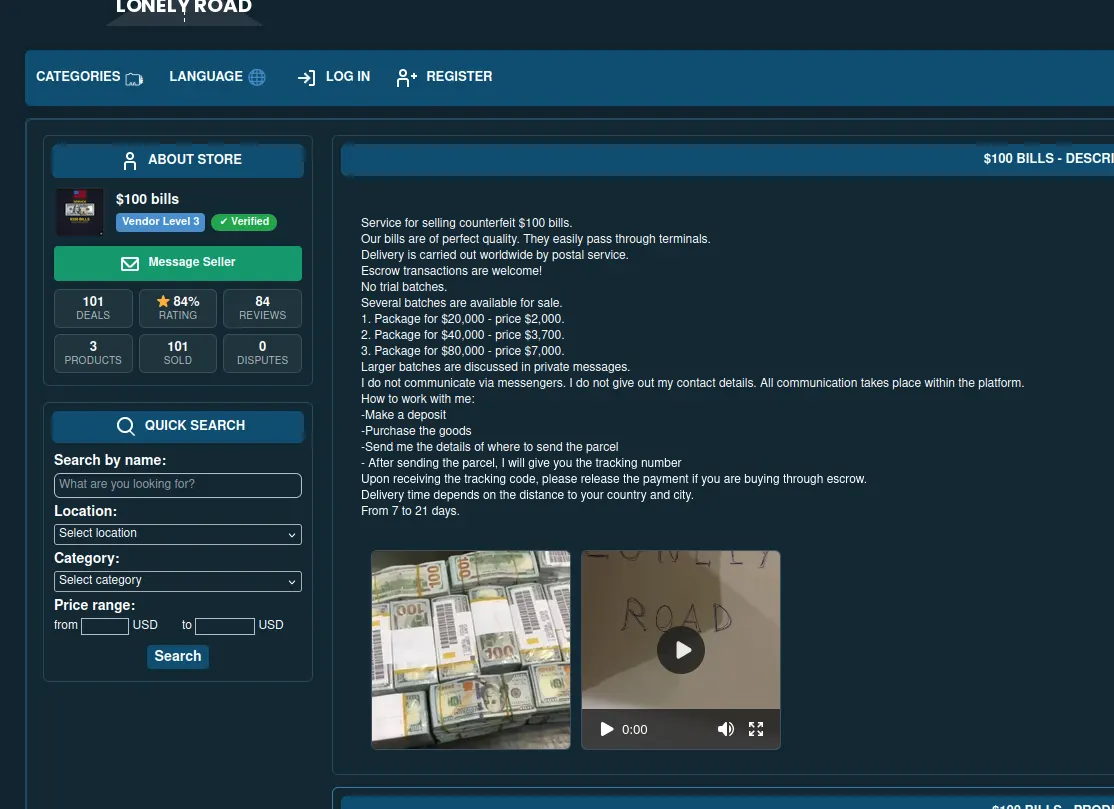
colorado man's dark web journey into counterfeit dollars
Explore Derek H.'s attempt to use fake money darknet purchases. Learn about the risks of counterfeit currency and bank detection.
Navigating Link Onion Tor: A Guide
Learn how to navigate Link Onion Tor securely for legitimate business purposes, ensuring privacy and safety online.
The Best Dark Web Pages to Explore
Discover the best dark web pages for business insights, security tools, and intelligence resources to enhance your organization's safety.